Flagship project
Restore KBA Bouhlou 1
Protecting the Bouhlou river and preserving the Moroccan mussel
Project sheet
Project: Contribution to restoring the habitats of the threatened endemic biodiversity of the Bouhlou river (province of Taza): an integrated approach to the sustainable management of a Key Biodiversity Area (KBA) in Morocco.
Framework: Restore NAW project led by WWF / MED NA.
Project holder: Association of Life and Earth Sciences Teachers – Taza (president: Noureddine Haddou).
Scientific coordination: Natural History Museum of Marrakech, a research centre of Cadi Ayyad University.
General context
The Bouhlou river, in the province of Taza, is a freshwater ecosystem of major ecological importance in Morocco. It is recognised as a Key Biodiversity Area (KBA) of great biological richness.
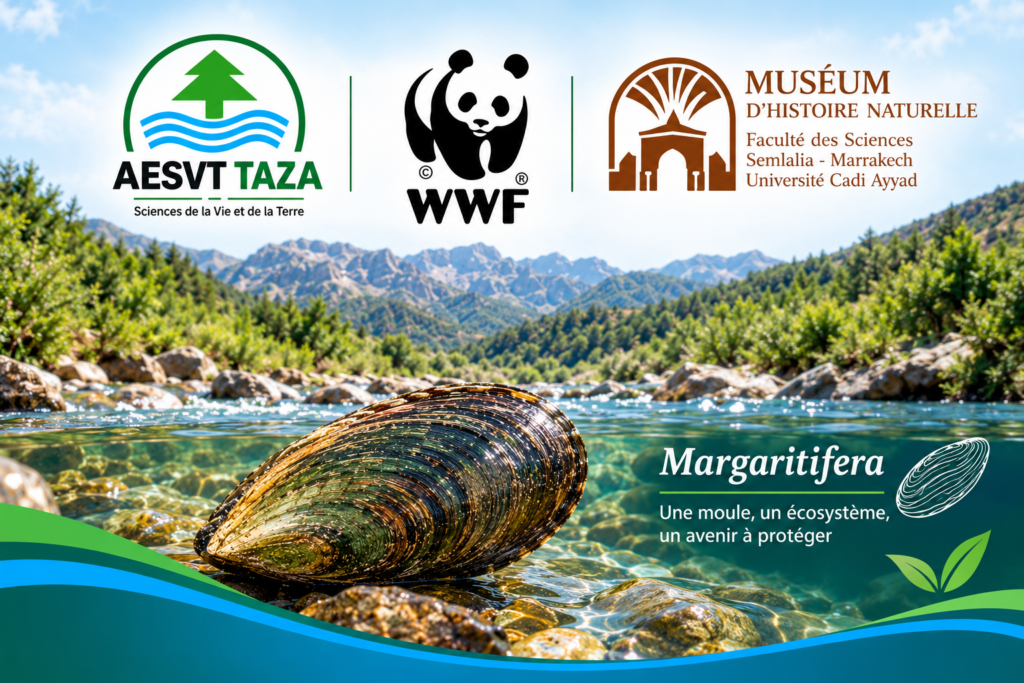
It is home to two unique freshwater mussel species endemic to Morocco, Pseudunio marocanus and Unio foucauldianus. Both are classified as threatened because of habitat degradation, human pressure and their restricted range.
These bivalves play a key role in maintaining water quality: they filter suspended particles and keep the water clear, which makes them valuable bioindicators.
Overall project objective
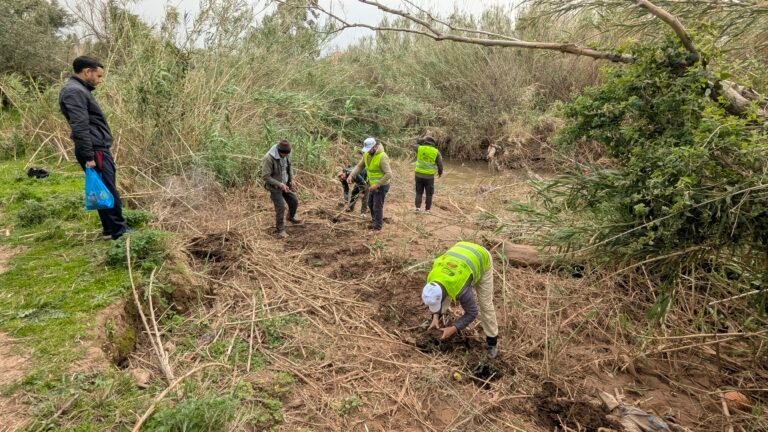
To restore and enhance the Key Biodiversity Area of the Bouhlou river, in Tazekka National Park (province of Taza), through scientific monitoring of mussels, fish and other macroinvertebrates, together with water quality analysis.
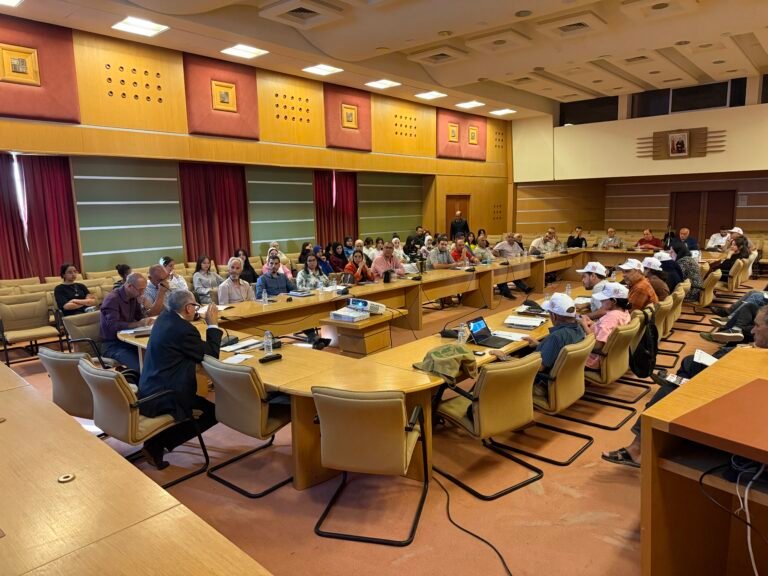
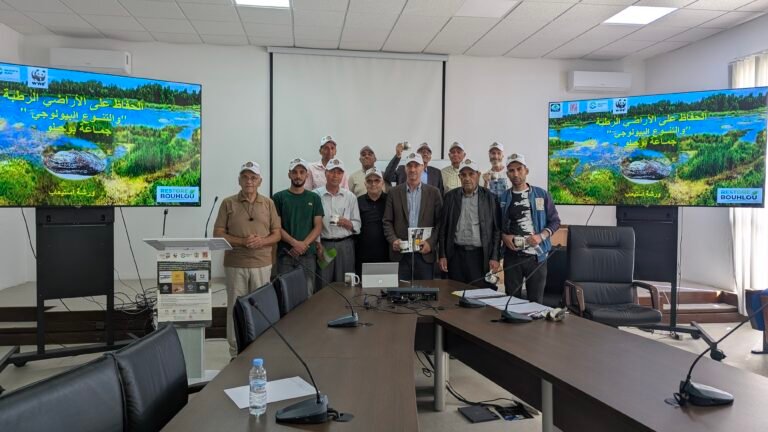
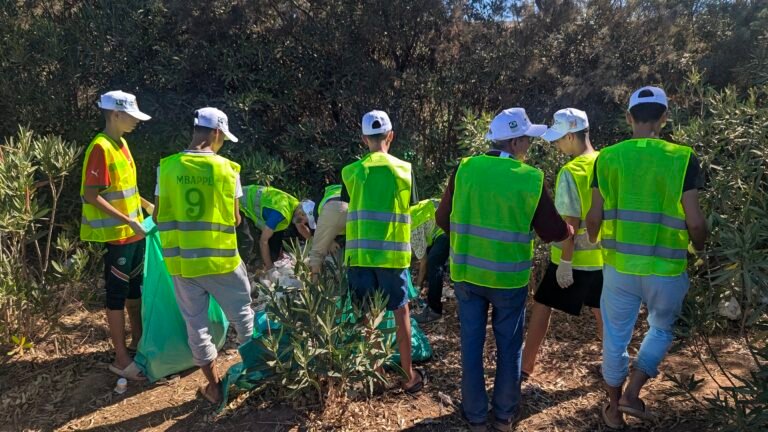
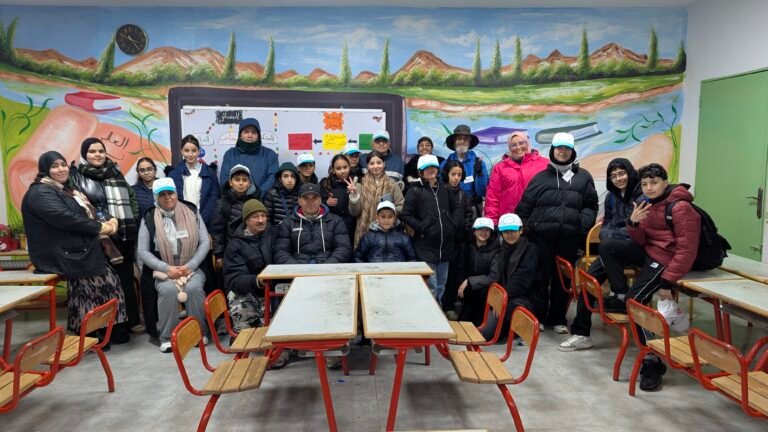
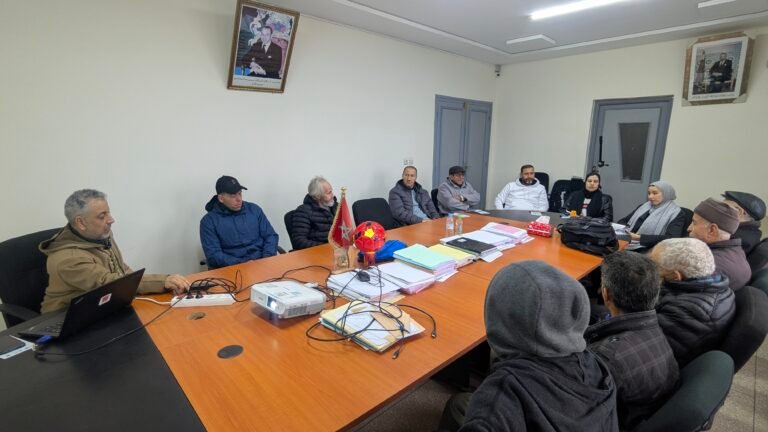
Through six complementary workshops, the project brings together local elected officials, pupils, water users and citizens around a shared goal: strengthening the protection of aquatic ecosystems and promoting the sustainable management of natural resources.